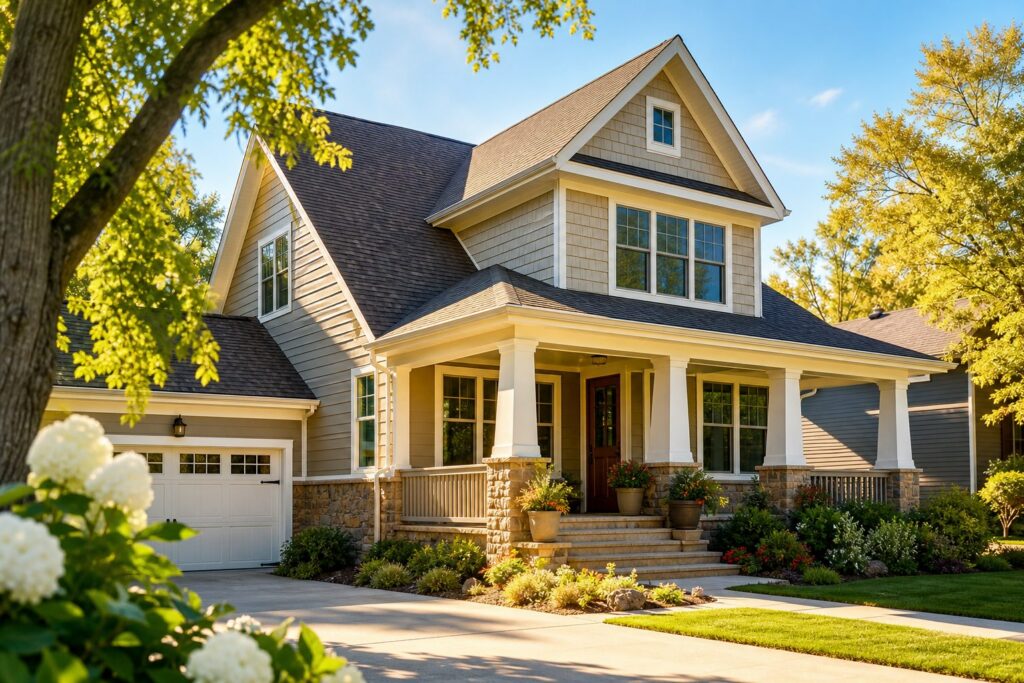
Roof Inspections in Asheville, NC
Blue Ridge Roofing Co. provides roof inspections for Asheville homeowners seeking clear information on their roof's condition. This service helps identify issues early and offers practical maintenance recommendations.
Our local teams know the roofing challenges in western North Carolina and provide straightforward reports to guide your decisions about roof care.
Roof Inspections: what's involved
A roof inspection involves a complete examination of your roof's surface and structure to identify any existing or potential problems. Inspection includes checking shingles, flashing, gutters, vents, and visible underlayers for signs of wear or damage. The professional team looks for loose or missing materials, cracks, leaks, and other evidence that could affect the roof’s integrity. Besides the exterior, the inspection also involves assessing drainage and connections to other parts of your home. This service differs from roof repair and replacement by focusing solely on evaluating current conditions and providing clear reports with maintenance advice.
Roof Inspections: what it costs
Several factors influence the cost of a roof inspection. The size of your roof affects how much time and effort the inspection requires. The roofing material also matters, as some materials need more careful examination than others. If your roof shows signs of damage or aging, that could increase the complexity of the inspection, affecting cost. An inspection for a simple, smaller roof will differ in price from one involving a larger or more complex structure. These variables apply generally across roofing services and help determine the final cost.
Roof Inspections: how fast we work
We schedule roof inspections based on the property and the workload. How quickly we get back to you depends on current appointment availability. Inspection visits typically take a few hours but vary depending on the size and condition of your roof. After the inspection, the report and recommendations are prepared to help you understand the roof’s condition clearly. The entire process allows you to make informed decisions without unnecessary delays.
Roof Inspections: why Blue Ridge Roofing Co.
Local teams at Blue Ridge Roofing Co. serve western North Carolina communities. Their hands-on knowledge of local roofing conditions supports a practical, thorough inspection process. One customer, Mark T., said, "They replaced our roof in two days and cleaned up every nail," reflecting attention to detail.
Roof Inspections warning signs
These signs commonly indicate roofing issues that a professional inspection can identify and address before they worsen.
- Missing shingles. Shingles that are cracked, curled, or missing expose your roof to water damage.
- Water stains. Discolored or damp spots inside indicate potential leaks in your roof structure.
- Granule loss. Bald spots on shingles where granules have worn away reduce roof protection.
- Damaged flashing. Bent or loose flashing allows water to seep into joints and edges.
- Gutter debris. Excess roof material or shingle pieces in gutters signal roof deterioration.
- Sagging areas. Sections of your roof that sag suggest weakened decking or structural issues.
Common roof inspections causes
Several factors typically lead to roof problems detected during inspections.
- Storm damage. High winds, hail, and heavy rain can loosen or displace roofing materials.
- Age-related wear. Shingles and components deteriorate over time, losing effectiveness.
- Improper installation. Roofs not installed correctly develop leaks and material failures sooner.
- Poor maintenance. Neglecting debris removal or minor repairs worsens roof condition.
- Moisture buildup. Trapped moisture under shingles causes rot and mold growth.
- Wildlife activity. Animals or insects damaging roof sections create openings and weaken materials.
How Blue Ridge Roofing Co. conducts roof inspections
Step one: Schedule a convenient time for the inspection visit.
Step two: Perform a detailed visual check of all roofing materials and components.
Step three: Inspect drainage, vents, flashing, and roof edges for defects.
Step four: Document any damage, wear, or areas needing maintenance.
Step five: Prepare a clear, written report with condition findings and care advice.
Step six: Review the report with you and answer any questions you have.
Roof Inspections what to avoid
Do not ignore visible signs of roof damage, such as missing shingles or leaks.
Avoid climbing on your roof without professional equipment or training.
Do not attempt repairs without proper knowledge, which may worsen the problem.
Avoid delaying a roof inspection when you notice issues or after severe weather.
Do not neglect gutter cleaning as it affects roof drainage and condition.
Roof Inspections care tips
Keep your roof clear of leaves, branches, and other debris regularly.
Trim overhanging tree limbs to reduce material damage and moss growth.
Check attic ventilation and insulation to prevent moisture buildup under your roof.
Have your roof inspected periodically to spot problems early and maintain its condition.
Clean gutters and downspouts to ensure proper water flow away from your roof.
Common questions
How do roof inspections help me decide on repairs or replacement?
Inspections identify current damage and areas of wear, allowing you to assess if repairs suffice or replacement is needed.
What should I prepare before a roof inspection visit?
Clear access around your home and make notes of any leaks or visible issues you have noticed.
Will the inspection report include maintenance advice?
Yes, the report outlines roof condition and practical recommendations to help maintain its durability.
How soon will I receive the inspection results after the visit?
The report is prepared promptly and reviewed with you soon after the inspection.
Can I request a roof inspection after severe weather in Asheville?
Yes, scheduling an inspection after storms helps identify damage that may require attention.
Get Started
Request a consultation
Contact us to schedule an inspection. We provide clear information so you can decide on repairs or replacement confidently.